
The radio restarts when you turn on the blower. A rear lamp glows oddly when you press the brake pedal. Then a starting problem joins the list. It can feel as though the car has developed several unrelated electrical failures at once.
Sometimes those circuits share a poor return path to the battery. That return path is the ground circuit. Resistance there changes how electrical loads operate, and the symptoms depend on which connections are affected.
1. The Starter Clicks Despite a Charged Battery
A starter needs a substantial current path through the engine and back to the battery. A damaged engine ground strap or loose connection can interrupt that path. The battery can test adequately while the starter clicks or turns slowly.
Voltage-drop testing during the failed start helps distinguish a ground problem from a starter or positive-cable fault. At our shop, we test the circuit under load rather than accept a simple continuity reading as evidence that it carries enough current.
2. A Gauge Moves When Another Accessory Turns On
A gauge that shifts when the blower, headlights, or rear defroster is switched on deserves an electrical check. On systems with shared grounds, added current can change the voltage reference used by another circuit. The displayed reading can then change without an equivalent change in the physical condition being measured.
That doesn't mean a temperature warning is safe to ignore. Engine temperature must be confirmed before treating the reading as electrical. A technician compares sensor data, circuit voltages, and real operating conditions.
3. Exterior Lamps Glow in Unexpected Combinations
A poor lamp ground can force current to take an unintended return path through another lamp circuit. On applicable designs, pressing the brake can make a turn signal glow weakly, or switching on the lights can change the indicator's behavior.
Before replacing multiple assemblies, check the lamp connector, ground point, moisture, and any previous wiring repairs. Trailer-wiring additions can complicate these circuits as well. A melted terminal needs proper repair, not just a fresh bulb. Lighting faults affect how other drivers see your signals, so they deserve attention even when the engine starts normally.
4. Screens or Modules Restart Under Load
An infotainment display that goes black during cranking or when a large accessory runs can react to unstable supply voltage. A poor ground is one possible cause. Weak battery output, a loose positive connection, or a module fault can produce a similar reset, so the screen itself isn't automatically defective.
The event needs to be captured electrically. We compare power and ground at the affected equipment while the triggering load operates. A voltage reading taken after the display recovers can look normal. Replacing the module before checking its supply risks putting a new component into exactly the same unstable circuit.
5. The Engine Cuts Out Over Bumps
A loose ground connection can move as the body or engine shifts, briefly interrupting a control module or engine circuit. The driver feels a stumble or stall when crossing a rough spot, yet the car behaves during stationary testing. A harness rubbing against a bracket can create similar intermittent trouble.
A controlled wiring check should use the circuit diagram and appropriate equipment rather than indiscriminate cable pulling. Explain whether the symptom follows bumps, acceleration, or recent work around the engine. If the vehicle stalls while moving, stop using it and arrange transport; reproducing the fault in heavy traffic isn't a sensible test.
6. Charging Readings Disagree Between Locations
The alternator case, engine, body, and battery must have sound electrical connections. Excessive resistance between them can leave a difference between alternator output and what reaches the battery. The battery can become undercharged even when the alternator itself produces an apparently reasonable reading at its terminals.
Testing both sides of the charging circuit under load exposes losses that a single voltage check misses. Never disconnect a battery cable with the engine running to test the alternator. That approach can create damaging voltage disturbances. A charging-system inspection should establish the available output and whether the wiring actually delivers it.
7. Transmission and Stability Warnings Appear Together
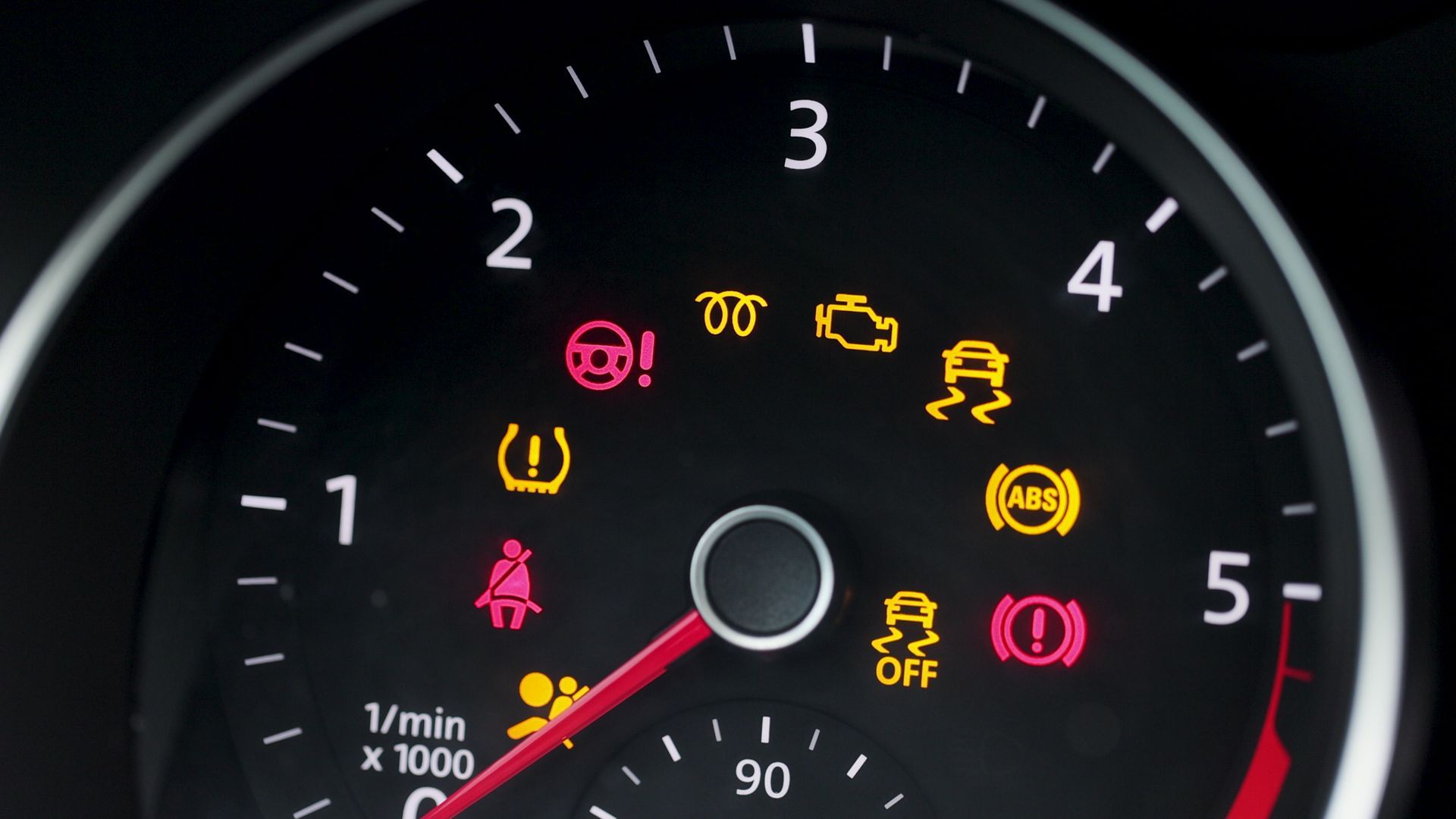
Control modules share power supplies, communication networks, and sometimes ground locations. One connection fault can disturb several systems and generate multiple messages. A transmission warning alongside stability or steering warnings doesn't necessarily mean all those components have failed.
Keep a record of which warning appeared first and what the vehicle did. Diagnosis starts with faults and wiring information, then verifies supply and ground where appropriate. Records of regular maintenance and recent repairs help identify disturbed connections. The repair must restore the original circuit and be verified under load.
Get Auto Electrical Diagnostics In Corpus Christi, TX, With Elite Automotive of Corpus Christi
Elite Automotive of Corpus Christi in Corpus Christi, TX, can trace unusual electrical behavior and test shared connections. Mention which accessory or driving condition triggers the symptom.