
Repair decisions get a lot easier when you are not making them blind. Most drivers are fine with paying for what the vehicle actually needs. The frustration usually comes from not being able to see what the technician is seeing, then feeling rushed to approve work you do not fully understand.
A digital vehicle inspection, often shortened to DVI, is designed to make that process clearer. You get photos, notes, and measurements, so the condition of the vehicle is not a mystery.
It turns repairs into informed choices instead of pressure decisions.
What Is a Digital vehicle inspection
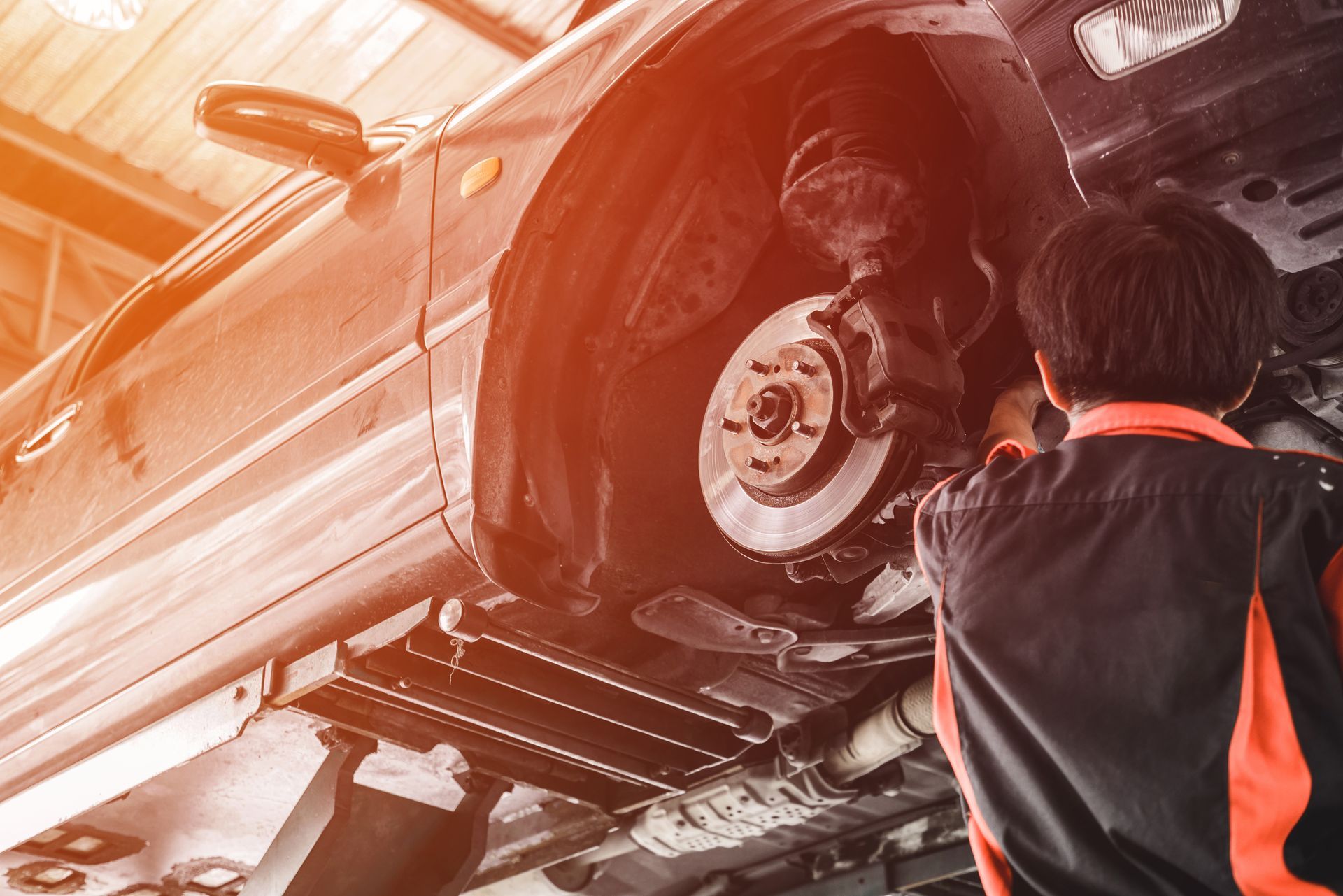
A DVI is a structured inspection that gets documented in a digital report. Instead of a verbal rundown, you get clear pictures and short explanations of what was checked and what was found. If the brakes are thin, you see pad thickness. If a tire is wearing unevenly, you see the tread pattern and the measurement.
A DVI is not a guarantee that every future problem is prevented. It is also not just a code scan. It is a visual and measured check of common wear areas, leaks, and safety items, presented in a format you can review on your phone or computer.
Why DVIs Lead To Better Decisions
Better decisions come from better information. When you can see a cracked belt, a leaking shock, or a nearly worn brake pad, the recommendation makes sense. It also helps you understand severity without relying on dramatic wording.
DVIs also create context. If you do them regularly, you can compare. Something that was “starting to seep” during the last visit might now be wet and actively leaking. A tire that had 5/32 tread might now be at 3/32, and that change helps you plan instead of getting surprised.
We’ve seen DVIs reduce repair stress because drivers can slow down, review, and ask questions with the evidence in front of them.
What Typically Gets Checked In A Digital Inspection
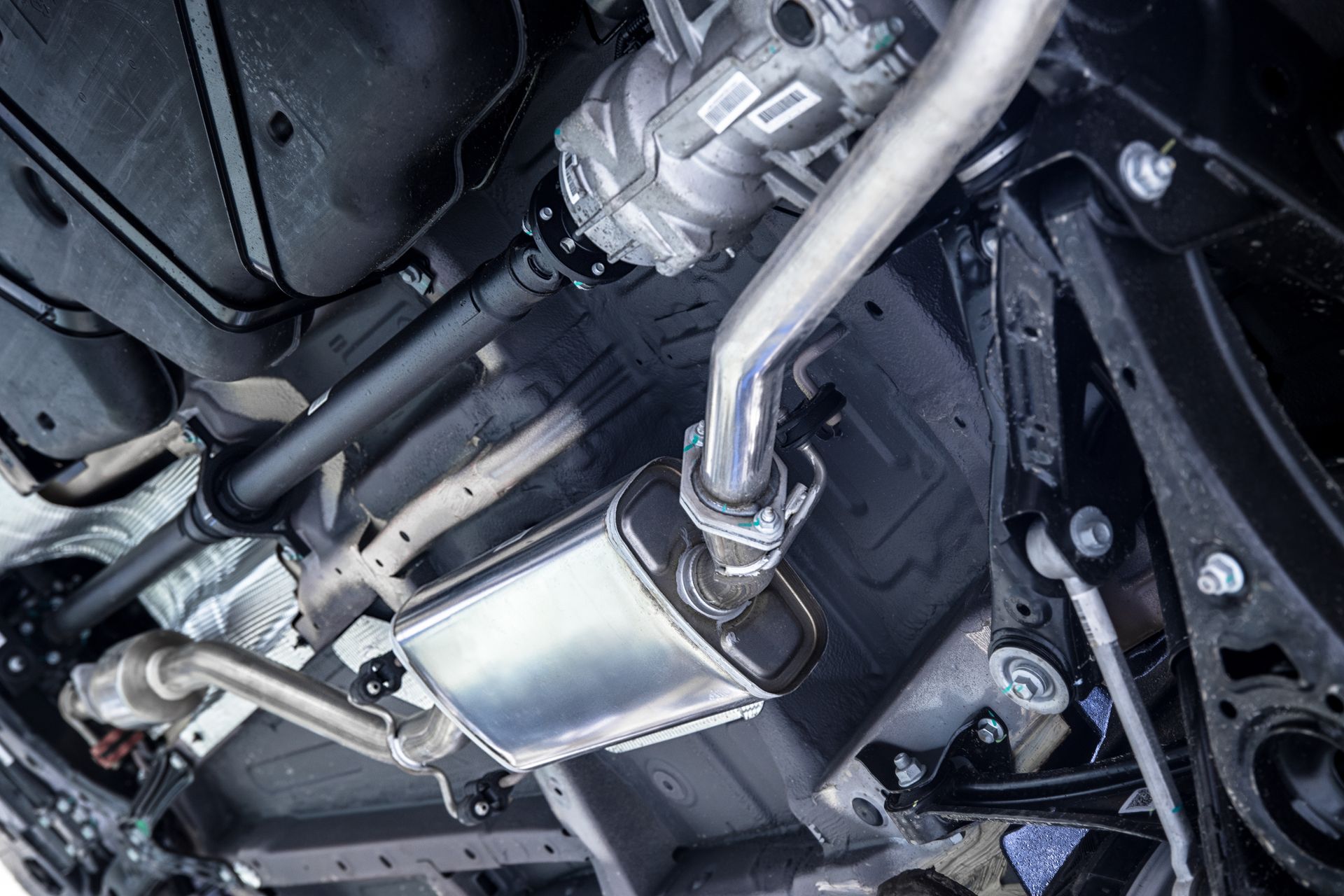
Most DVIs follow a consistent checklist so key items are not missed. The inspection usually includes tires, brakes, lights, battery, fluids, visible leaks, steering and suspension condition, and undercarriage observations. Some shops include a scan for stored codes as an additional step, but the core of a DVI is the visual record.
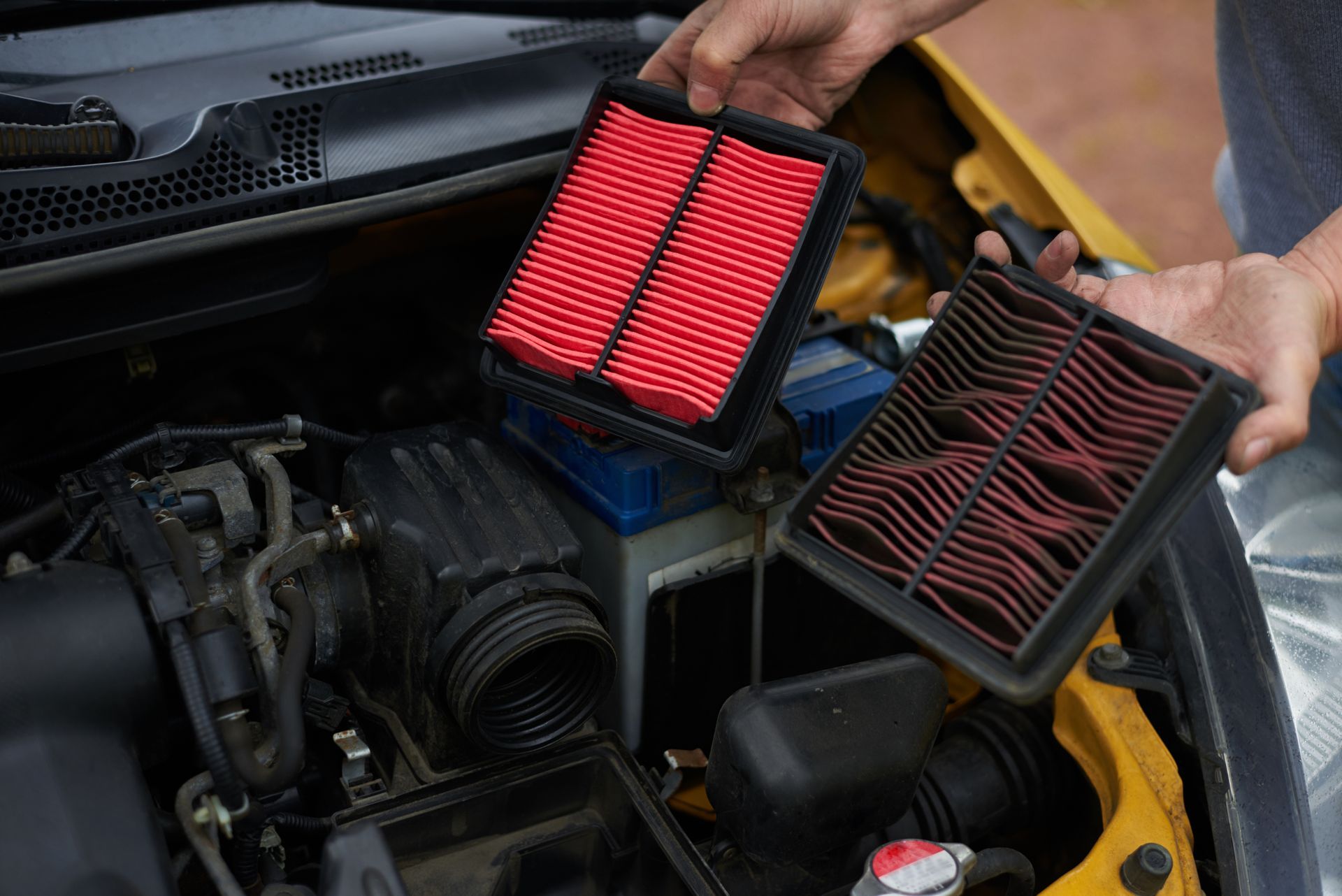
It also tends to include “small stuff” that still matters, like wiper condition, cabin air filter state, and evidence of fluid seepage. Those items often get overlooked in a quick visit, and they are exactly the kind of thing a DVI catches early.
How To Read A DVI Report Like A Pro
Start with the items that affect safety and control. Brakes, tires, steering looseness, and active fluid loss usually belong at the top of your attention list. Then look at reliability-related items, like coolant condition, belts, and battery health.
After that, focus on the proof. Photos, measurements, and side-to-side comparisons matter more than labels. If something looks borderline, ask what the measurement means and what the next checkpoint should be.
Here’s a simple way to interpret what you’re seeing:
- Look for measurements, not just descriptions.
- Compare left and right sides for uneven wear clues.
- Note whether a leak is wet and active or just old residue.
- Ask what might happen if you wait a month or two.
- Prioritize items that can damage other parts if ignored.
A Mini-Guide For Approving Repairs Without Regret
A smart approval plan usually splits repairs into three categories. First are safety items, like low brake pads or unsafe tires. Second are damage-prevention items, like coolant leaks, oil leaks that are lowering the level, or belts that are cracking. Third are comfort or convenience items, like minor seepage, worn wipers, or small rattles.
If you are unsure where something fits, ask one key question. What is the risk of waiting, and what is the realistic time window? A good shop will give you a straight answer without scare tactics. That keeps your budget under control and avoids the feeling that everything must be done today.
Common Mistakes Drivers Make With DVI Reports
One mistake is focusing only on the biggest dollar number. A smaller repair that prevents major damage can be the smarter first move. Another is approving work without asking for the measurement or photo if the report is unclear. DVIs are most helpful when the documentation matches the recommendation.
Some drivers also ignore “monitor” items entirely. Those are often the easiest to plan for, because you have time. If you treat monitor notes as reminders to recheck at the next visit, you avoid the surprise when a small issue becomes a real one.
How DVIs Build Trust Over Time
Trust builds when the story stays consistent. If a DVI showed your tires at 6/32, then three months later they are at 5/32, that feels believable. If a small seep stays small, you see that too, and you learn the shop is not pushing unnecessary work.
DVIs also help you keep records. If you sell the vehicle, documentation of condition and repairs is useful. If you’re trying to budget for maintenance, trend notes are valuable.
It’s a more transparent way to take care of a vehicle.
Get Digital Vehicle Inspection in Corpus Christi, TX with Elite Automotive of Corpus Christi
We can perform a digital vehicle inspection, document what we find with clear photos and measurements, and walk you through the report so you can make confident choices. We’ll help you prioritize what needs attention now and what you can reasonably plan for soon.
Call or schedule your visit today.
We’re here to help you make repair decisions with clarity and control.