
An oil change is on the calendar, but the car has also started shaking at stoplights. It is easy to hope the routine service will take care of both. Sometimes maintenance uncovers the reason for a complaint, but a new symptom often needs its own testing and repair plan.
Tell the shop about changes before the appointment begins. A service request that says oil and filter gives very different information from one that also describes rough running after the engine warms up. Here are 5 signs the visit should include more than a standard check.
1. A Warning Light Returns After Being Cleared
A check engine light that keeps coming back means the triggering condition needs to be found. The computer records a fault when it detects a problem within the conditions it monitors. Clearing the memory changes the lamp, not the failed connection, leak, or operating problem behind it.
The code and recorded driving conditions guide the next checks. An evaporative-emissions leak may leave the engine running normally, while a flashing light with severe shaking means you should stop safely and arrange help. Describe the warning and how the car feels instead of assuming every engine light needs either a simple service or a major engine repair.
2. Engine Oil or Coolant Keeps Needing Top-Offs
Adding fluid once after a documented service is different from reaching for another bottle every few weeks. Repeated loss needs a rate and a source. Oil may leak onto an undertray or be burned internally. Coolant sometimes escapes only when the engine is hot and pressure has built up, leaving little on the driveway after parking.
Record mileage and amounts added, following the vehicle's level-check instructions. The inspection then traces leaks or checks the internal route suggested by the symptoms. An oil-pressure warning while running or an overheating warning requires a safe stop and shutdown. Those conditions shouldn't wait for the next routine oil-change opening.
3. Braking or Steering Feels Different
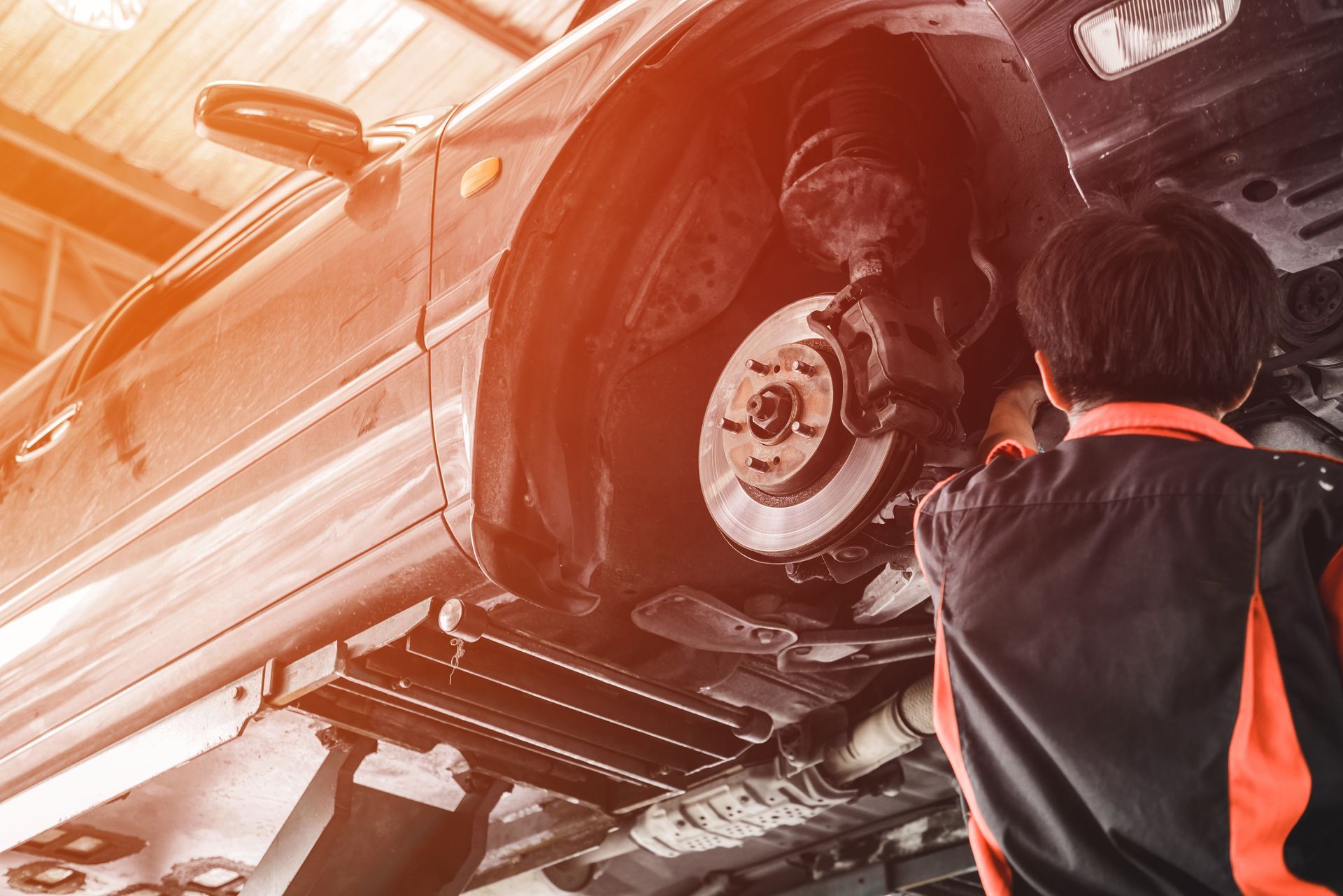
If a car pulls during braking, a pedal feels unusually soft, or the steering wheel has become loose, have the complaint investigated. Routine pad wear doesn't explain every brake change. A sticking caliper, hydraulic leak, torn control arm bushing, or loose steering joint requires different work.
Be specific about when it happens. Pulling only as you press the brake points toward different checks from drifting continuously on a level road. Heavy grinding, major pulling, reduced braking, or an unstable wheel changes how you drive. Stop safely and discuss transport instead of continuing until the maintenance appointment arrives.
4. Acceleration or Starting Has Become Unreliable
An engine that hesitates when joining traffic or takes several attempts to start is giving a repair complaint, even without a warning light. Worn spark plugs may be part of it, but so might fuel pressure, a poor connection, a sensor signal, or a mechanical problem. The conditions help choose the first test.
Normal cranking without firing differs from a starter that turns slowly or only clicks. A hesitation after refueling differs from one that appears only under heavy acceleration. Replacing routine maintenance parts without checking those patterns risks leaving the original fault in place. Tell the shop how long the problem has been happening and whether it is getting more frequent.
5. A New Noise or Vibration Follows a Repeatable Pattern
A clunk each time the car crosses a small bump, a shake under braking, or a grind during startup needs more than a general look around. The pattern links the sound to a particular load or movement. That gives the technician something to reproduce under controlled conditions.
A wheel balance won't repair a loose ball joint, and an alignment won't correct an internally damaged tire. The inspection needs to connect the symptom with the actual wear or fault. If the noise began after an impact or recent repair, say so at booking. That history changes the first area to review.
Keep Routine Maintenance and Repair Planning Connected
These details help the service visit address both:
- The symptom and when it first appeared
- Any warning messages
- Recent repairs or fluid additions
- Whether cold, heat, speed, or load changes it
- The maintenance records already available
- Any conditions that make the car unsafe to drive
Once the cause is found, the shop can separate overdue maintenance from repairs that address the new complaint. Some jobs share access or fluid replacement, making combined work sensible. Others need a different appointment or parts order. The reason for each item should be clear before you approve it.
Get Auto Repair in Corpus Christi, TX, With Elite Automotive of Corpus Christi
Elite Automotive of Corpus Christi in Corpus Christi, TX, can review new symptoms alongside your regular maintenance needs. Explain the changes when booking so the visit includes time to investigate them.